
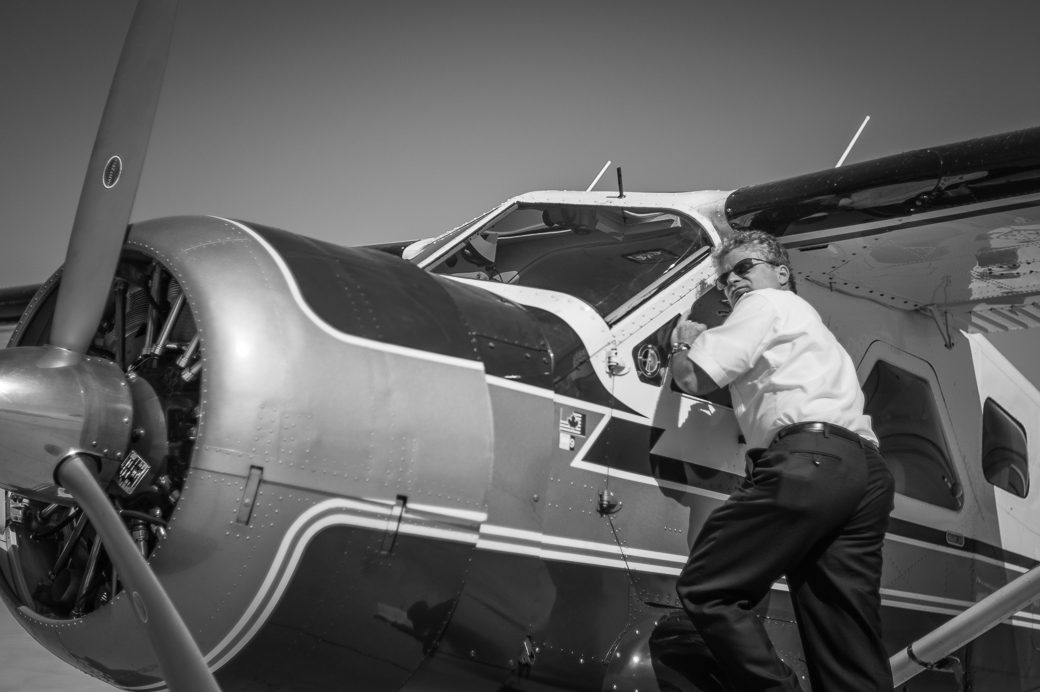
Yesterday, March 04, 2013, I had a trip out of Thermal, California and while waiting for our owners to arrive a DeHavilland Beaver taxied in. A beautiful aircraft with a lot of history, especially in the Alaska bush country. The Beaver looked a little out of place here in the desert with no water around. Well there is the Salton Sea nearby but not your “normal” type of water you’d see the Beaver flying in and around. You see the owner of this model recently removed the floats.
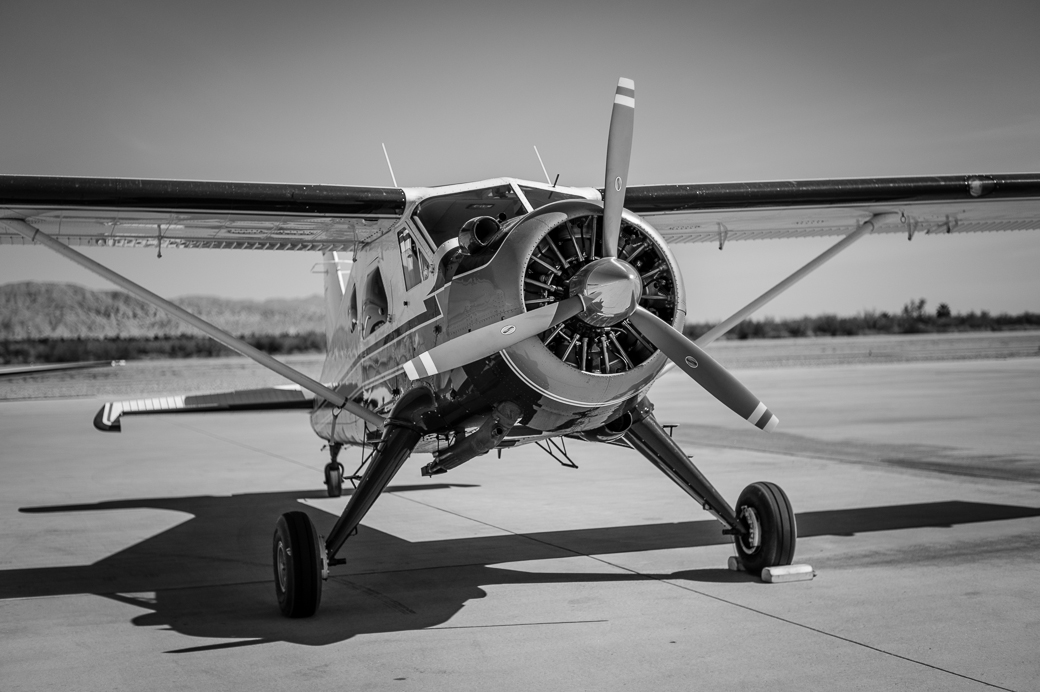
I only had a few minutes to shoot, as I said, our owners were due to arrive at any time. Of course, the sun was very bright and right overhead, we’re in the middle of a desert. So not your best light so to speak for photography. But I wanted to try and capture some of the unique features that grace this bird.
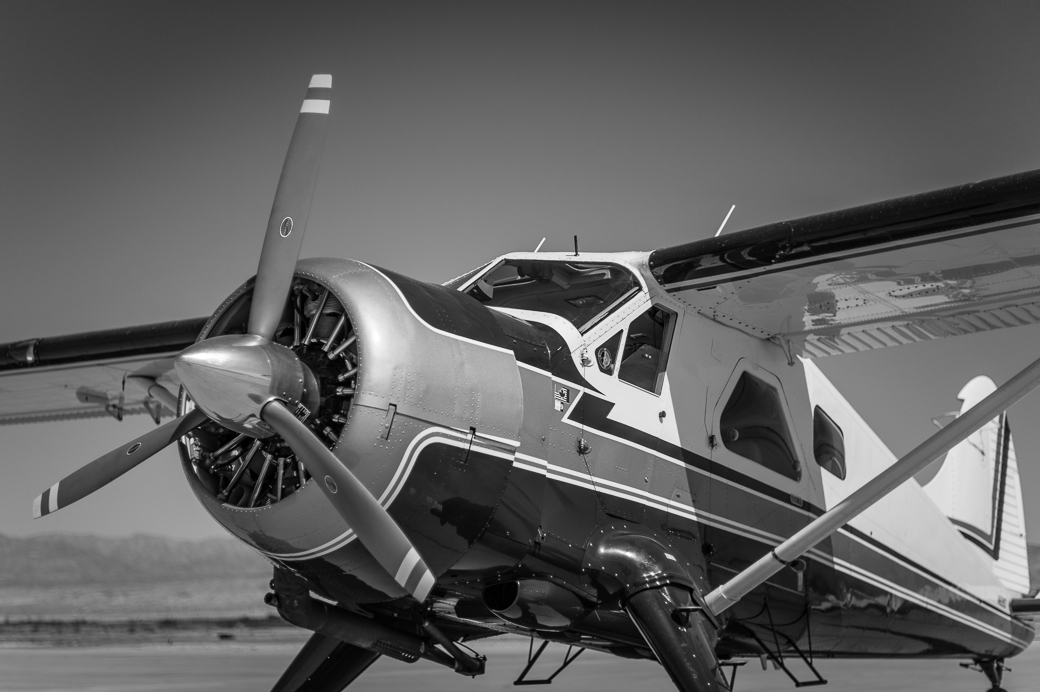
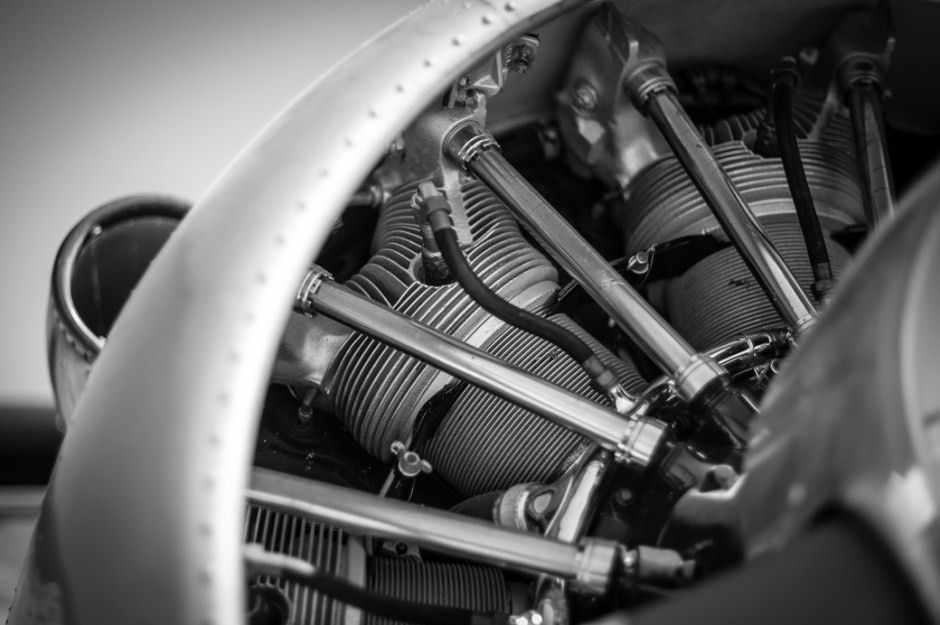
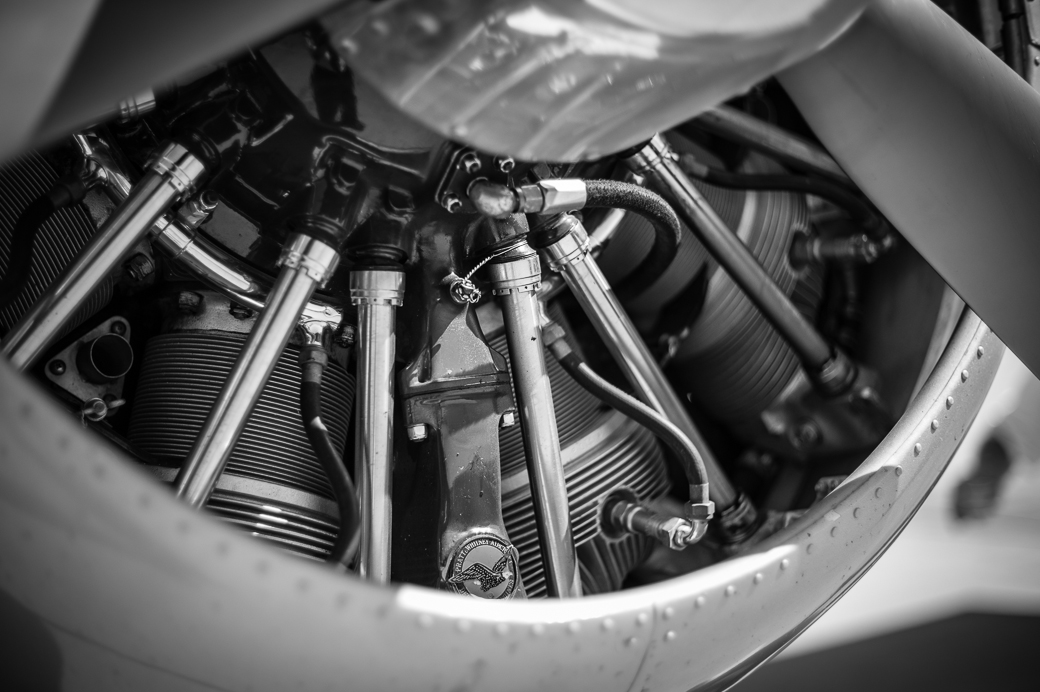
First off, you know a “manly” aircraft of past has arrived when you hear the nine-cylinder Pratt & Whitney R-985 radial engine running. There’s really nothing like the sound of a big radial.
(The sound of Beaver taking off)
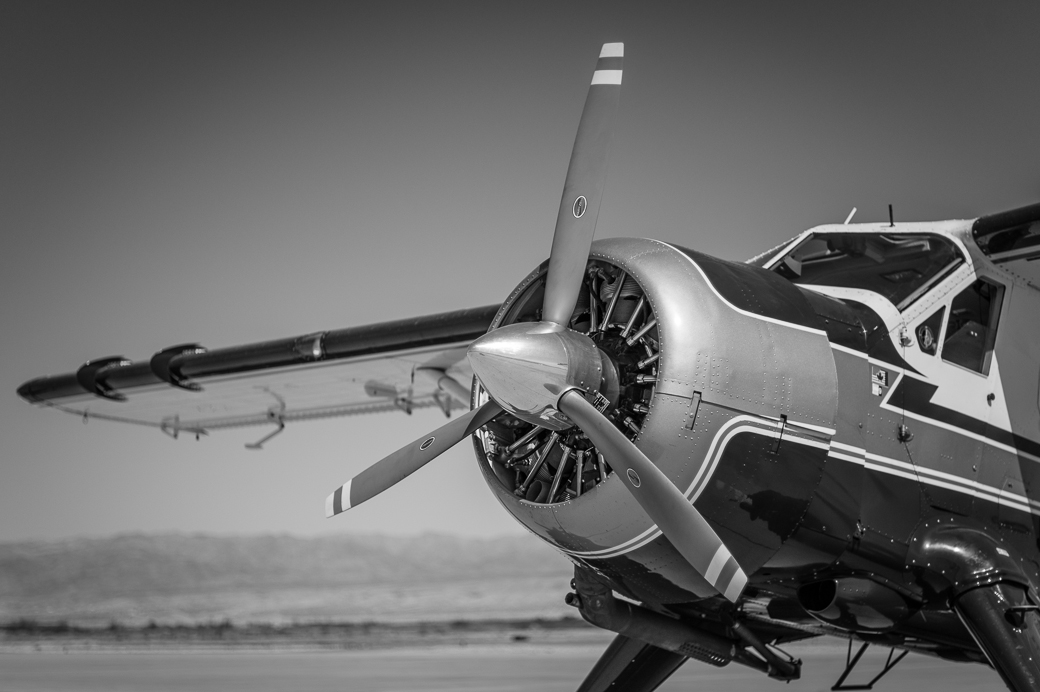
The detail in the design of a radial engine is amazing. I was in the last class of “Naval” aviators that could pick the T-28 to fly for our initial “Primary” flight training. I decided to fly the T-34C instead as I didn’t have any prior aviation experience and the T-34C was an easier aircraft to fly. The T-28 was a much more sophisticated aircraft to fly than the T-34C. Two of my 4 room mates completed their initial training in the T-28 and of course had major bragging rights with their experience.
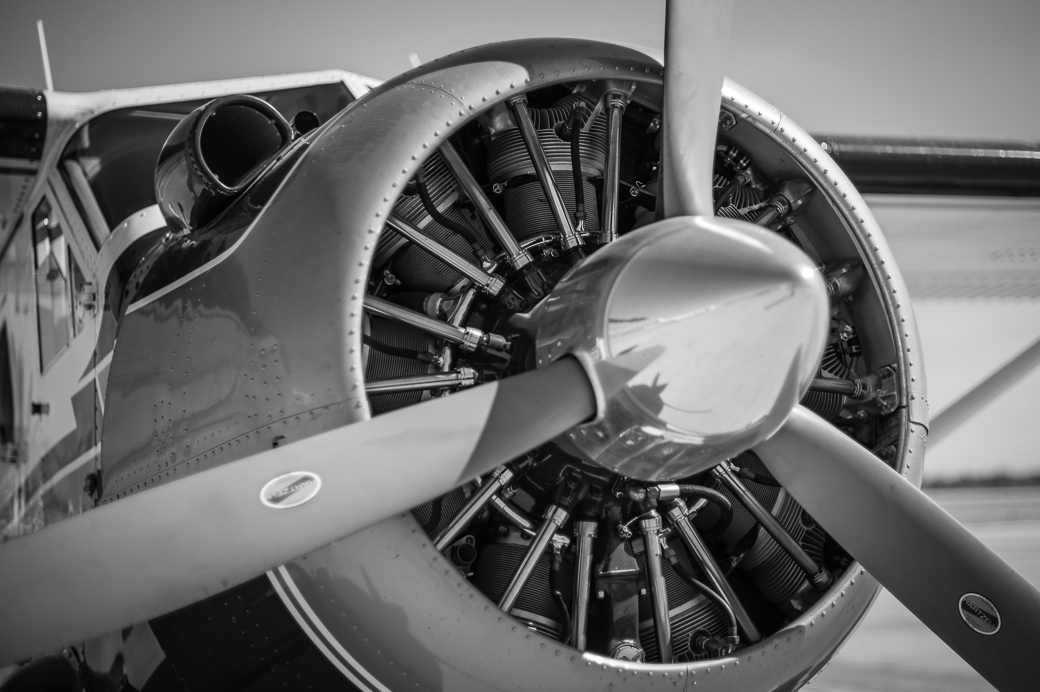
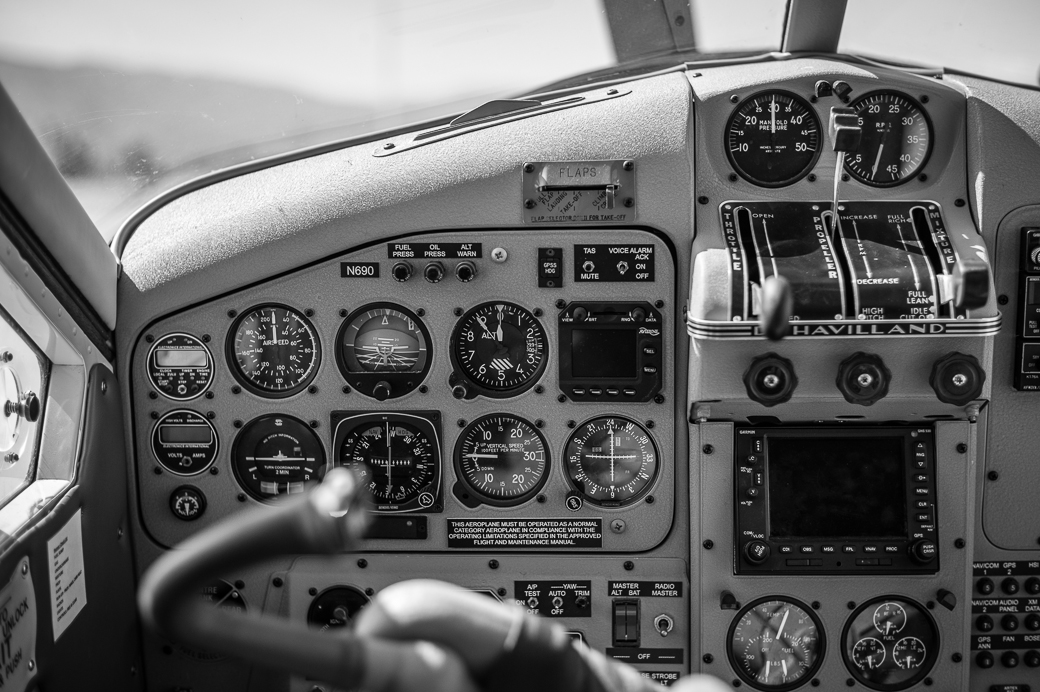
The bright light was a major challenge. I shot all of these images mostly wide open with my Leica Summilux-M 50mm f/1.4 with a Hoya HMC 3 stop neutral density filter. I utilized the large aperture to isolate the different engine and cockpit instrument components.

 Duane Pandorf Photography